

Blogs
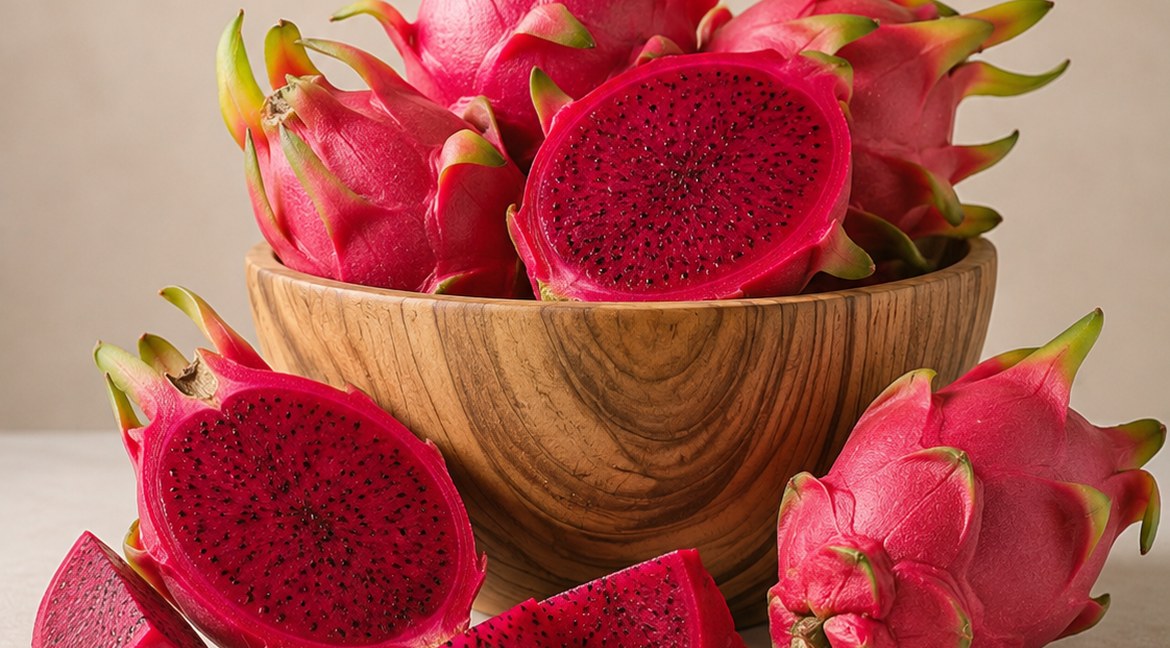
Choosing and eating dragon fruit
<p>Dragon fruit (pitaya) is a cactus fruit, and choosing it is as distinctive as it looks. The difference in flavour between a well-chosen fruit and one picked early is considerable.</p>
<p>There are two main types. The <strong>white-fleshed</strong> variety is fresher and lower in acid, with restrained sweetness. The <strong>red-fleshed</strong> variety is markedly sweeter, with a far more intense colour.</p>
<h3 class="th-h">What to look for</h3>
<ul class="th-list">
<li>The skin should be a lively pink-red, without large dull patches.</li>
<li>It should give slightly when pressed in the palm; rock-hard fruit is not ripe yet.</li>
<li>Tips of the scales drying and browning slightly is a sign of ripeness, not a defect.</li>
<li>Fruit that is very soft, weeping or wrinkled is past its best.</li>
</ul>
<p>Eating it is simple: halve it and spoon it straight out. The skin is not eaten. You can dice it into yoghurt, or use frozen chunks as a smoothie-bowl base — the red-fleshed type lends a natural magenta colour. Served chilled, its aroma reads more clearly.</p>
How to store exotic fruit
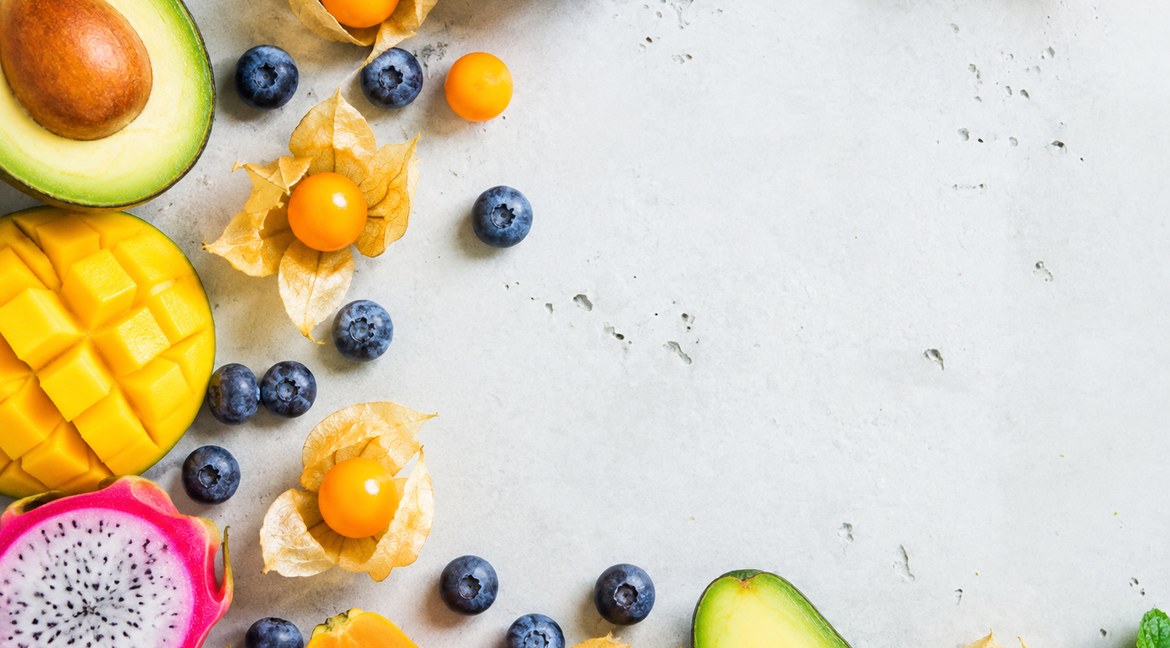
<p>There is a common misconception about exotic fruit: that all of it belongs in the fridge. In fact much tropical produce is damaged by cold — the texture breaks down and the aroma stalls before it develops. This is known as <em>chilling injury</em>.</p><h3 class="th-h">Where each fruit belongs</h3><ul class="th-list"><li><strong>Keep out of the fridge:</strong> Pineapple, and mango, avocado and papaya while still firm. Ripen these at room temperature.</li><li><strong>Fridge once ripe:</strong> Mango, avocado, papaya and dragon fruit will keep a few more days in the cold after ripening.</li><li><strong>Straight into the fridge:</strong> Blueberries, golden berries, limes and passion fruit.</li><li><strong>Once cut:</strong> Everything should go into a closed container and be eaten within two to three days.</li></ul><p>Put a firm mango or avocado in a paper bag and fold it loosely shut. The ethylene the fruit gives off collects in the bag and noticeably accelerates ripening. The reverse also holds: anything you do not want ripening yet should stay out of the bag, somewhere airy.</p>
Passion fruit in the kitchen